
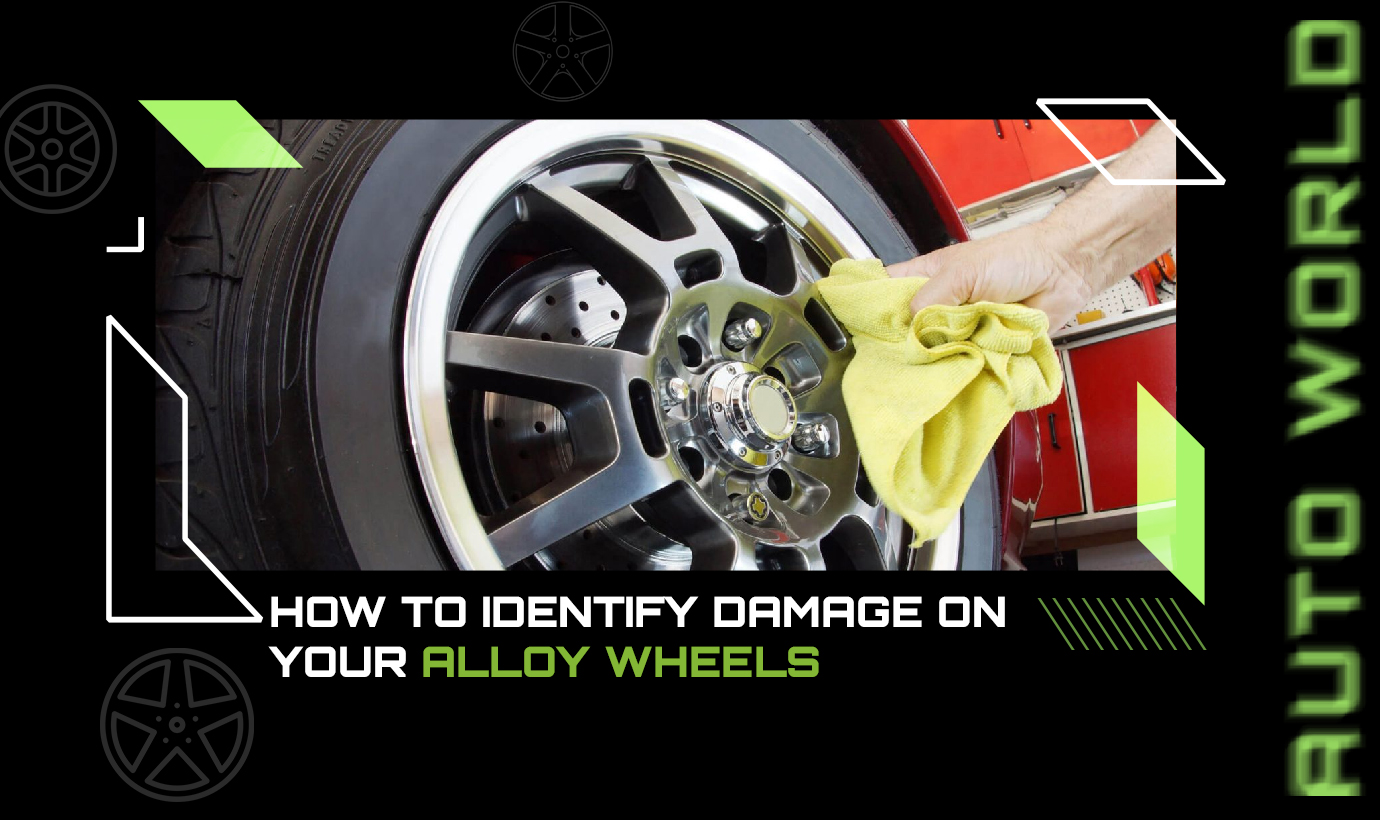
Alloy wheels provide you with more aesthetic advantages, but apart from that, they are more efficient than steel wheels as they are lighter in weight and more durable. But like any other automobile component, the alloy wheels are vulnerable to wear and tear. Knowing when you need alloy wheel repair can spare you some cash and make your auto more secure since the harm when identified and exposed, creates far more awful circumstances. Here we will learn the features of the alloy wheel damage and when they will suggest a need for repair or an upgrade.
What Are Alloy Wheels?
Alloy wheels therefore consist of a compound of aluminium or magnesium metals or a combination of the two that makes them lighter and better for heat conducting than steel. One of the advantages is that they contribute to fuel economy and joint management; thus, they are fashionable among new automobile models. As you will see, many car owners prefer the use of alloy wheels since they enhance the looks of the car and the performance of the car.
But, more than steel wheels, alloy wheels are easily affected by curbing, potholes, and road debris. It is essential to learn the kinds of harm that might occur to alloy wheels so as not to bring any havoc to your automobiles.
Common Types of Damage to Alloy Wheels
Alloy wheels are mainly vulnerable to damage from scratches to structural deficiencies. Here are some of the most common types of alloy wheel damage:
- Curb Rash
Curb rash where an alloy wheel scrapes against the curbing is typical of the damage endured. This can result in wheel rim scratches, minor scratches, or deep cuts. Curb rash could look like a small issue but over time, it ends up causing some loss to your wheels through corrosion or wear.
- Bent Wheels
Bumps, such as potholes, kangas, rumbles, humps, and crests, bend the alloy wheels of vehicles. Iybent wheels are not easily noticeable but can cause significant problems in your vehicle. Alloy wheel bending is more than cosmetic since it originates in steering wheel vibrations, uneven tyre wear, and alignment issues.
- Cracks
While raised surfaces are less problematic and may not necessarily require immediate attention, cracked alloy wheels are more serious and should always be observed. Fatigue cracking is usually observed on horizontal surfaces, and it results from hitting a pothole or driving over jagged debris at high speeds. These microscopic cracks destabilise the wheel slab and increase the likelihood of additional crack formation or complete wheel failure. It is advisable to repair a crack on an alloy wheel immediately as driving with one is unsafe.
- Rust
Alloy wheels usually rust or tarnish under harsh conditions, such as in areas with extreme weather conditions or on icy roads in winter. Alloy wheels do not corrosion, but when moisture, road salt, and brake dust come into contact, they remove the protective layer. Corrosion of a wheel is evidenced by discolouration of the wheel, pits on the surface of the wheel or grey, white powdery patches on the wheel.
- Discoloration/fading
The most common issues people face in their cars are that they usually fade due to sunlight, chemicals, and grime, in the case of alloy wheels. Many automobile owners like shiny and glittering alloy wheels, but this does not affect how the wheels perform. Washing and polishing should solve this problem, but in severe cases, akin to professional refinishing may be necessary.
How to Identify Damage on Your Alloy Wheels
Alloy wheel maintenance is often helpful when addressing an issue affecting your wheels before it worsens. The following are some simple procedures that you can follow to detect damage to your alloy wheels.
Step 1: Perform a Visual Inspection
First, physically check each wheel by looking at the outer circumference and the rim. Look for any visible signs of damage, such as:
- Scratches, scuffs, or gouges may indicate curb rash.
- Cracks or fractures can compromise the wheel’s structural integrity.
- Discolouration or corrosion is often seen as white spots, flaking, or dull patches.
It’s always recommended to check your wheels during well-lit-up conditions for some kinds of damage that are tough to identify at night. The initial approach that will help determine whether you would require the services of an alloy wheel specialist is to undertake a simple inspection of your wheels.
Step 2: Check for Strange Vibrations
In some instances, when driving and finding the steering wheel vibrates, this is a good indication that the steering wheel is bent. Conventional bent alloy wheels are inclined to shake your automobile at some specific speed on smooth highways. This could be hidden which means that rely on how your car is performing on the road.
Step 3: Check Tyre Wear
Of the twisted or misaligned alloy wheels, uneven tyre wear may also be a sign. It may also require the attention of a professional if your tyres are wearing unevenly or if they are wearing out faster than normal. It may require the repair of the alloy wheels to correct uneven wearing of the tyres.
Step 4: Listen for Unusual Noises
A damaged alloy wheel might make some clicking or knocking sound while the car is in motion. These noises may indicate a wheel crack or bend or incorrect placement of the hub. If you want to diagnose why wheels are generating peculiar sounds, seek a professional to look at them.
Signs You Need Professional Repair:
- Cracks: If there is any crack, no matter how small it is, the wheel gets compromised and ought to be taken to a professional.
- Severe Bent Wheels: If any of the wheels is very deformed, this will make your car face some balance and tractive troubles on the way.
- Corrosion: Corrosion can progress and, if severe, will compromise the structural integrity of the metal, thus should be addressed by a technician.
- Vibrations or Noise: If your car is shaken up or you hear strange sounds, then the wheels should be checked and overhauled if required.
Conclusion
Various advantages can be seen with alloy wheels, especially for those who own a car or dominate the roads in their trucks. On the other hand, Alloy wheels also get damaged more easily in specific cases, such as curb rash, cracks, and corrosion. It is essential to detect any damage to maintain the safety and functionality of the car.
Inspect your wheels and look out for cracks, vibration, or uneven tyre wear, which will help identify the right time to carry out alloy wheel repairs. However, if you find out there is some serious damage done to your alloy wheels, it’s advisable to seek the services of a professional for alloy wheel repair to ensure your wheels reach their best state and your car is safe on the roads.
Recent Posts

Popular Categories
Product Tags
- 3D number plates
- Alloy wheel
- Alloy Wheel Refurbishment
- Alloy Wheel Refurbishment in Manchester
- Alloy wheel repair
- car window tint
- car window tinting
- Diamond Cut
- Diamond cut alloy wheel
- diamond cut wheel.
- Is Alloy Wheel Refurbishment Worth It?
- Is Alloy Wheel Refurbishment Worth It? Here's What You Should Know
- number plate online
- Number plates
- number plates online
- Powder coating wheels
- refurbishing alloy wheel
- repairing alloy wheels
- wheel refurbishment
- wheel size
- window tinting
sdzfgsg
Error: No feed with the ID 2 found.
Please go to the Instagram Feed settings page to create a feed.

